
Blocked Drains in Wrotham
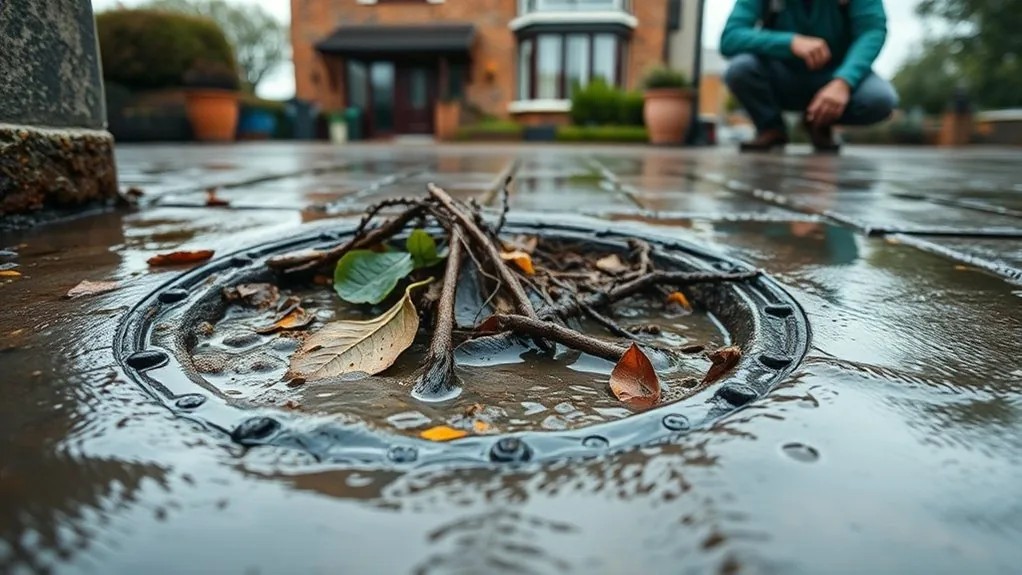
Slow draining sinks, gurgling pipes and foul odours often indicate blocked drains.
Blocked drains can lead to backflow, contamination and breaches of UK water regulations.
Common causes include wipes, fats, roots and damaged pipework.
For a fast quote or emergency callout in Wrotham, please get in touch with a professional engineer.
When is a drain classed as “blocked” rather than just slow-running? In regulatory terms, you’re dealing with a blocked drain when wastewater can’t pass through the pipework as designed, causing loss of normal function or a risk of escape, surcharge, or backflow. At that stage, you’ve moved beyond routine pipe maintenance and into a condition that may breach local environmental and public health standards.
You’re responsible for ensuring your private drains and laterals remain free-flowing. That typically involves proactive drain cleaning to remove accumulated fats, scale, silt, and foreign objects before they fully obstruct the bore of the pipe. Once obstruction reaches a critical level, hydraulic capacity’s compromised, increasing pressure on joints and connections and potentially impacting shared or public sewers.
When you notice slow draining sinks, unpleasant drain odours, gurgling noises from pipes, or frequent toilet backups, your system’s flow capacity is already being compromised. These are early warning signs of partial or complete blockages that, if ignored, can escalate into hygiene risks and potential breaches of local environmental regulations in Wrotham. By recognising these indicators promptly, you can arrange compliant, targeted remedial work before more invasive and costly interventions are required.
Ever noticed your sink taking longer and longer to clear, with water pooling around the plughole instead of draining freely? That slow drainage is often an early indicator of partial blockage within the waste pipework, usually from accumulated fats, soap scum, hair, or food debris. Left unresolved, it can progress to a full obstruction and potential overflows, which may breach UK Water Regulations and create hygiene risks.
You shouldn’t rely on repeated use of harsh chemicals, as they can damage seals and pipework. Instead, schedule professional drain cleaning to mechanically clear and flush the system, ensuring the correct flow rate is restored. Ongoing pipe maintenance, including periodic CCTV drain surveys, helps identify defects, root ingress, or scale build‑up before they cause costly failures.
Oddly persistent smells coming from sinks, showers, or external gullies are a strong indication that your drains aren’t functioning correctly and may be partially blocked. Those sulphur-like or sewage-type odours usually mean organic waste is trapped in the pipework or the water seal in a trap isn’t maintaining a proper barrier against foul air from the sewer.
You might reach for drain deodorants or DIY odour remedies, but these only mask the smell and don’t resolve the obstruction or underlying defect. In Wrotham, you’re also required to guarantee foul drainage doesn’t cause a statutory nuisance under environmental health rules. If smells persist after basic cleaning, you’ll likely need a professional CCTV survey, mechanical descaling, or jetting to restore free flow and eliminate the odour at source.
Although it’s easy to dismiss at first, a repetitive gurgling or “glugging” sound from sinks, baths, showers, or external gullies is a classic early warning that your drains are partially blocked or poorly vented. What you’re hearing is trapped air and wastewater struggling past a restriction in the pipework.
You’ll often notice gurgling when other outlets run, as changing water pressure in the system pulls air through standing water. This may indicate issues with the soil vent pipe, internal air admittance valves, or inadequate gradients that don’t meet Building Regulations.
Don’t ignore it. Persistent gurgling can precede full blockage or siphon traps dry, allowing foul air to enter. A professional can test flows, inspect for defects, check pipe insulation externally, and clear obstructions safely.
When your toilet starts backing up more than once in a short period, it’s usually a symptom of a developing blockage in the soil stack or lateral drain rather than a simple one-off “too much paper” incident. Repeated backups indicate the waste line’s hydraulic capacity is reduced, often by scale, wipes, fats, or root intrusion.
| Sign you notice | What it typically indicates |
|---|---|
| Frequent plunger use | Partial obstruction in the primary toilet branch |
| Waste in lowest fixtures | Main drain or shared stack restriction |
| Backup after other appliances drain | Cross-connection issue in combined waste run |
You shouldn’t rely on chemicals; they can breach seals and damage pipework. Instead, schedule professional drain cleaning, CCTV surveying, and ongoing toilet maintenance in line with Water Regulations and Building Regulations Part H.
From misused fixtures to aging pipework, blocked drains in Wrotham usually trace back to a few recurring causes that can often be prevented with informed use and proper maintenance. Everyday issues typically involve fats, oils and grease congealing in kitchen lines, wipes and sanitary items snagging in bends, and silt or scale narrowing older pipework that’s never had systematic drain cleaning or pipe maintenance.
You’ll most often see trouble develop from:
Misuse breaches manufacturer guidance and can conflict with local water company regulations, increasing the risk of recurring blockages.
When you call us to clear a blocked drain in Wrotham, we start with a precise diagnosis, often using CCTV inspection to map the fault and check for structural issues in line with local authority and Water Industry Act requirements. From there, we select the most appropriate clearance method—high-pressure water jetting, rodding, or mechanical cutting—ensuring it’s safe for your pipe material and compliant with environmental regulations. If the survey shows damage, root ingress, or pipe collapse, we’ll advise whether a targeted repair or trenchless relining offers the most durable, cost-effective solution.
Although every blocked drain in Wrotham has its own cause and complexity, our process always starts with accurate diagnosis, often using CCTV drain inspection to pinpoint the exact problem without unnecessary excavation. We begin with a visual assessment, checking access points, manholes, and fixtures, then deploy high-resolution camera systems through your pipework.
You’ll see real-time footage that reveals scale, root ingress, structural defects, fat build-up, or collapsed sections. This allows us to distinguish between routine drain maintenance issues and more serious structural failures. Our engineers document findings, noting pipe materials, diameters, gradients, and connection points, and carry out on-site equipment troubleshooting if any components appear compromised. All recommendations align with UK Water Industry standards, ensuring any remedial work is compliant, targeted, and cost-effective.
Once we’ve confirmed the exact cause and location of your blocked drain in Wrotham, we typically deploy high-pressure water jetting to clear the obstruction quickly and protect the integrity of your pipework. This Hydro jetting process uses regulated, high-velocity water streams to dislodge fats, silt, scale, and intrusive debris without resorting to harsh chemicals.
Before jetting, we’ll verify suitability through a detailed pipe inspection, ensuring joints, liners, and older clay sections can safely withstand the pressure. We select nozzles, flow rates, and pressure settings to match your pipe diameter, material, and blockage type, keeping within industry and local authority guidelines.
Hydro jetting doesn’t just punch a hole through the blockage; it scours internal surfaces, restoring flow capacity and reducing the risk of rapid reoccurrence.
Not every blocked drain in Wrotham is best served by high-pressure jetting, so we also use traditional rodding and mechanical clearance where it’s the safer or more direct option. This method is ideal for localised obstructions like wipes, fat build-up, or scale in smaller diameter pipes.
We insert rigid or flexible drain rods, fitted with appropriate heads, to break up and retrieve debris, ensuring controlled, low-impact drain cleaning. For tougher deposits, we use mechanical cutters driven by specialist machines, rotating inside the pipe to remove hardened scale and sludge without breaching pipe walls.
Throughout, we follow current UK Water Industry and health and safety guidance, logging findings so you can plan future pipe maintenance and avoid repeat blockages.
When a blocked drain in Wrotham indicates deeper structural defects rather than just a simple obstruction, we move from clearance to diagnosis and, where necessary, targeted repair or trenchless relining. Using CCTV surveys, we’ll confirm issues such as fractures, root ingress, or pipe collapse and then specify works compliant with current Building Regulations and local water authority standards.
| Situation | Typical Solution |
|---|---|
| Localised crack, no deformation | Patch repair |
| Multiple cracks, sound host pipe | Drain relining |
| Severe displacement or collapse | Excavation and replacement |
| Recurrent failures on shared runs | Sectional upgrade |
| Pollution or flooding risk | 24/7 emergency repairs |
Drain relining minimises excavation, restores structural integrity, and improves flow. For high‑risk failures, we’ll prioritise emergency repairs to protect property and public sewers.
Although blocked drains can escalate quickly, our Wrotham-based engineers are strategically positioned across the county to deliver a rapid, BS EN 752-compliant response whenever you need it. You benefit from short travel times, minimising surcharge, backflow and structural risk to your pipework and property.
When you call, we’ll triage the issue, prioritising flooding, foul odours, and loss of service. Our vans carry high-pressure water jetting units, CCTV survey equipment, and mechanical cutting tools, so most blockages are cleared on the first visit.
We also use emergency attendance to advise on targeted drain maintenance and follow-up plumbing inspections, helping you reduce recurrence. Every intervention’s documented, with clear findings and recommended next steps, so you can plan remedial works and budgeting with confidence.
Rapid attendance is only part of the picture; you also need to know who should actually arrange and pay for blocked drain repairs. If the blockage is within the boundary of your property and serves only your home, you’re normally responsible for repairs, drain cleaning, and routine pipe maintenance.
Shared drains or lateral drains (running outside your boundary and serving multiple properties) are usually the statutory water and sewerage company’s responsibility under UK regulations. They must handle structural defects and major obstructions in these sections.
If you’re a tenant, internal pipework and misuse‑related blockages often fall on you, while underlying defects in external pipework may be the landlord’s duty, depending on your tenancy agreement and local authority guidance.
Even once a blockage’s been cleared and responsibilities are understood, preventing repeat issues depends on disciplined use, simple routine checks, and timely maintenance. You’ll reduce the risk of structural damage, regulatory breaches, and insurance disputes by putting clear Drain maintenance routines in place and applying practical preventative measures.
Consistent, documented maintenance also supports compliance with landlord and occupier duties.
Because blocked drains in Wrotham can quickly escalate into structural, hygiene, and compliance issues, you need a contractor that combines rapid response with technical competence and clear accountability. You benefit from engineers who understand local authority requirements, water company standards, and current UK drainage regulations, so remedial works are compliant from the outset.
We don’t just clear blockages; we diagnose underlying faults such as root ingress, pipe corrosion, and defective gradients using CCTV surveys and pressure testing. This means you get targeted repairs, not temporary fixes. Our approach to drain maintenance is scheduled and evidence‑based, helping you reduce emergency call‑outs and protect building fabric.
You’ll receive clear reports, costed options, and digital records, ensuring transparency for insurers, landlords, and compliance audits.
You’ll naturally want clear answers on response times, costs, what you can safely attempt yourself, and whether your part of Wrotham is within our coverage area. In this FAQ section, we’ll set out how quickly we can attend blocked drains in Wrotham, how our pricing is structured, and what limited actions you can take without breaching safety guidance or risking further damage. We’ll also confirm the specific Wrotham locations we serve so you can be sure you’re compliant and fully supported.
While response times can vary slightly by location and traffic, blocked drains in Wrotham are typically attended on a same-day basis, with genuine emergencies often reached within 60–90 minutes subject to engineer availability. You’ll usually be given a confirmed arrival window and updates if conditions change.
For high‑risk situations, such as foul water backing up into your property or external flooding near public areas, Emergency services–level response is prioritised to reduce health and safety risks and comply with environmental regulations. Engineers will stabilise the situation first, then advise on longer‑term drain maintenance to minimise repeat blockages and ensure your system remains compliant with Building Regulations and Water Industry guidelines. Out‑of‑hours attendance is normally available for critical incidents, including weekends and bank holidays.
Costs for clearing blocked drains in Wrotham depend on the severity and location of the blockage, the access required, and whether specialist equipment (such as high‑pressure water jetting or CCTV surveys) is needed. You’ll usually receive a cost estimate after an on‑site assessment, so the engineer can confirm the exact pricing factors and any regulatory constraints, such as compliance with Water Industry Act requirements and local authority rules on waste disposal.
Typical guide figures are:
| Service Level | Typical Price Range* |
|---|---|
| Basic call‑out & manual clearance | £80–£150 |
| High‑pressure water jetting | £120–£250 |
| CCTV drain survey & report | £150–£350 |
| Out‑of‑hours emergency response | £150–£300+ |
*Plus VAT where applicable; always confirm inclusions in writing.
Although it’s often possible to carry out basic checks yourself before calling an engineer, you need to do so carefully and within legal and safety limits. Useful DIY tips include running hot (not boiling) water, using a plunger correctly sealed over the plughole, and checking accessible gully grates for obvious obstructions you can safely remove with gloves and tools.
However, strict safety precautions apply. Don’t dismantle pipework beyond simple traps you can readily reassemble, and never insert hands or unapproved tools into drainage openings you can’t fully see. Avoid chemical drain cleaners, as they can react dangerously and damage pipes. Under UK regulations, you mustn’t interfere with shared sewers or undertake work requiring specialist equipment, CCTV surveys or high‑pressure jetting.
Ever wondered if your part of Wrotham’s included? You’re covered across all major towns and surrounding villages, including Maidstone, Canterbury, Ashford, Medway, Tonbridge, Tunbridge Wells, Dartford, Gravesend, and coastal areas like Margate, Ramsgate, and Dover. Our Local plumbing teams are strategically based to minimise travel time and disruption.
We provide Emergency services 24/7 for residential, commercial, and landlord-managed properties, always working in line with UK Water Industry Act requirements and local authority drainage bylaws. Whether your blockage is in the internal pipework, external gullies, or the main sewer connection, we’ll advise clearly if responsibility sits with you or the water company.
If you’re unsure we cover your postcode, contact us with your full address for immediate confirmation.
Yes, blocked drains can affect your home insurance and may lead to higher premiums in Wrotham. Insurers consider factors such as the cause of the blockage, maintenance history, and previous claims. It is important to keep records of inspections, retain receipts for any clearance work, and inform your insurer promptly to comply with your policy.
Yes, tree roots can damage shared drains between neighbours in Wrotham. Roots are drawn to moisture and can enter cracks or joints, causing blockages and leaks. You should arrange a CCTV survey, inform your neighbour, and use approved root-cutting or lining methods to fix the issue. Responsibility for repairs may fall under Section 24, Section 104, or the local water company.
There are generally no specific Wrotham council grants for major drainage repairs. However, some assistance may be available in certain situations, such as if a collapsed shared sewer in Canterbury is adopted by the water company. It is advisable to check Section 101A (first-time sewerage), discretionary hardship support, and water company drain repair options before funding repairs yourself.
When replacing drainage pipes in Wrotham, you must follow Part H of the Building Regulations 2010. Building permits from Building Control are usually required if you alter the layout, connect to a public sewer, or change the pipe route. You must ensure pipes meet current standards, including correct gradients, ventilation, access points, materials to BS EN standards, and proper bedding. Approved plans should be used, Building Control must be notified, and inspections need to be signed off.
Yes, repeated minor blockages can indicate a larger issue in your underground drainage system. These may include pipe deformation or root ingress. You should arrange a CCTV survey and update blockage prevention measures to comply with building regulations.
When a drain in your Wrotham property blocks, prompt action is essential to prevent sewage backflow, structural damage, and potential non-compliance with UK Water Industry Act and local authority requirements. You can’t ignore slow drainage, gurgling, or foul odours; they often indicate urgent need for drain cleaning and targeted plumbing maintenance.
Use professionals who employ CCTV surveys, high-pressure water jetting, and compliant waste disposal, ensuring your system meets local bylaws and WaterSafe standards.
| Priority Action | Why It Matters |
|---|---|
| Immediate call-out | Minimises flooding and contamination risks |
| CCTV inspection | Pinpoints defects, roots, or collapsed pipework |
| High-pressure jetting | Restores flow without damaging pipes |
| Scheduled maintenance | Reduces future blockages, supports asset longevity |
| Compliance documentation | Demonstrates due diligence to insurers and authorities |